

Your brain accumulates toxic waste every single day.
Every thought. Every decision. Every cortisol spike from the school run and the Tuesday meetings — all of it produces metabolic byproducts that build up in the space between your neurons.
Every night — if the conditions are right — your brain runs a cleaning cycle that flushes all of it out.
Most parents’ brains never complete this cycle.
That’s why 8 hours of sleep leaves you feeling like 3.
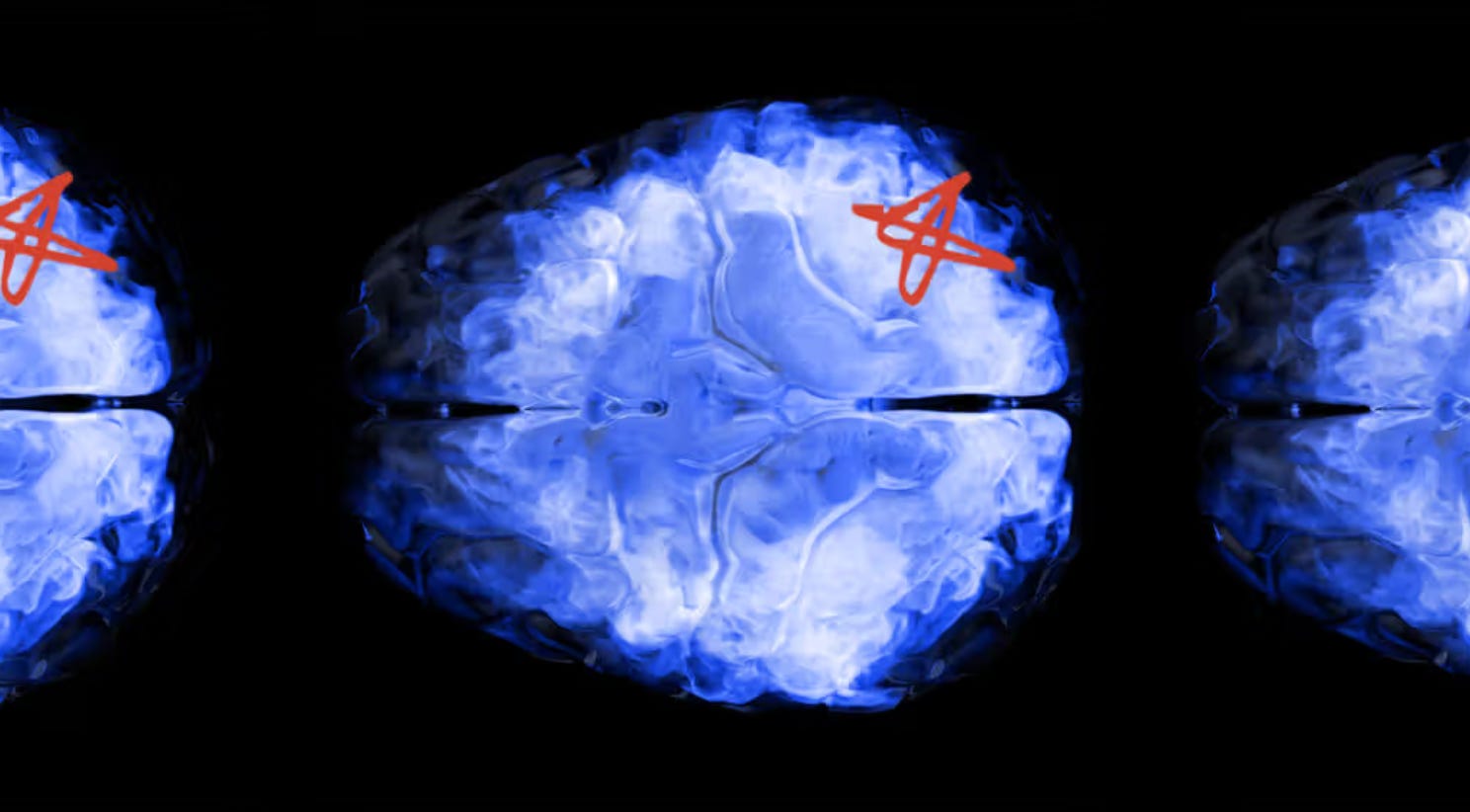
The medical world has spent decades focused on how much you sleep.
Hours. Schedule. Consistency.
All of it matters.
But there’s a mechanism most doctors never mention — one that determines whether the hours you sleep actually do what sleep is supposed to do.
Your brain has its own waste-clearance system.
It’s called the glymphatic system.
And while you sleep — if the conditions are right — it flushes out the amyloid proteins, tau tangles, and metabolic waste that accumulate during every hour your brain is active.
When it works: you wake up clear. Present. Recovered.
When it doesn’t: you wake up exactly the way most parents wake up every morning.
Foggy. Flat. Already behind.
Not because you didn’t sleep enough. Because your brain’s cleaning cycle never completed.
What You’ll Learn:
→ Why the glymphatic system fails — and what’s blocking it in most parents
→ The direct link between this failure and depression, fatigue, and cognitive decline → Why Alzheimer’s research now points here
→ The exact nightly activation sequence (paid section) → Read time: 5 min
You don’t need to overhaul anything. Three specific changes to your evening give your brain’s cleaning system the conditions it needs. Start with one tonight.
Why Your Brain Fog Isn’t a Sleep Problem — It’s a Cleaning Problem
→ 1. Chronic fatigue that doesn’t respond to rest has a specific brain mechanism behind i
t
If you’re clearing out waste from the brain every night — you wake up refreshed. If you’re not — a specific cascade begins that explains every symptom most parents have accepted as normal.
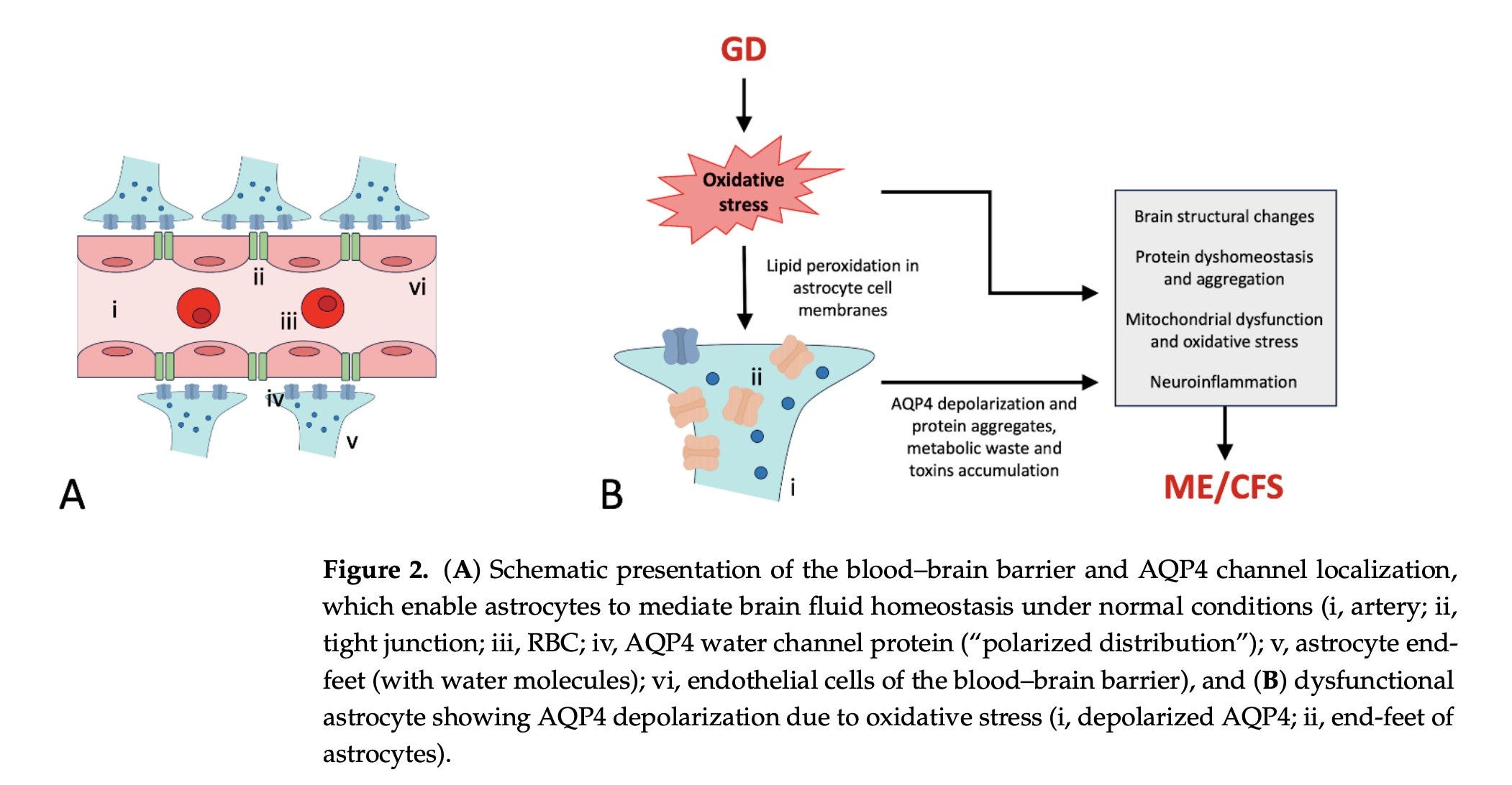
When the glymphatic system fails to clear metabolic waste from brain tissue, a four-stage cascade follows. First — oxidative stress builds in the astrocyte cells that line the brain’s blood vessels. Second — mitochondria in those cells become dysfunctional, reducing cellular energy production. Third — the blood-brain barrier becomes compromised, allowing inflammatory compounds to enter brain tissue. Fourth — the brain becomes chronically inflamed. The result is the specific combination of symptoms most parents describe: fatigue that rest doesn’t fix, cognitive sluggishness disproportionate to the task, and a flat mood with no obvious cause. These are not separate problems. They are one cascade — starting with a cleaning system that didn’t complete its work last night.
Incomplete glymphatic clearance → oxidative stress → mitochondrial dysfunction → ATP depletion in neurons → blood-brain barrier compromise → neuroinflammation → the exhaustion that sleep doesn’t fix.
The 3pm cognitive collapse that makes simple decisions feel impossible. The tiredness that’s there before the day has even started. The brain fog that arrives by Tuesday regardless of how early Monday’s bedtime was. That is the four-stage cascade — running silently, every night the cleaning cycle doesn’t complete.
→ 2. Depression is directly linked to glymphatic failure — and cortisol is the connection
A 2025 peer-reviewed study confirmed what sleep researchers had been building toward for years: glymphatic dysfunction and cortisol dysregulation are the same problem.
A study published in Translational Psychiatry assessed 210 participants — 164 with depression and 46 healthy controls — using MRI to evaluate glymphatic circulation. Depressed patients showed significantly poorer glymphatic clearance. Critically — elevated cortisol correlated directly with the degree of glymphatic impairment. The mechanism is precise: cortisol suppresses the slow-wave deep sleep architecture during which the glymphatic system runs at peak efficiency. Elevated evening cortisol — the kind that accumulates across a parent’s day and never fully drops — means the cleaning window is blocked at its most critical phase. The waste accumulates. The neurochemical environment that regulates mood degrades. Depression deepens. And the cortisol that caused the glymphatic failure rises further in response.
Elevated evening cortisol → suppressed slow-wave sleep → glymphatic clearance incomplete → neuroinflammation accumulates → serotonin and dopamine environment disrupted → depression worsens → cortisol rises further in response → loop compounds nightly.
The low mood that appeared gradually — not after any single event. The emotional flatness with no obvious cause. The anxiety that’s worse in the morning than before sleep. If cortisol has been elevated for months and sleep has been disrupted — the glymphatic system may be part of what nobody has named yet.
→ Source: Chen et al., 2025 — Translational Psychiatry “Glymphatic dysfunction associated with cortisol dysregulation in major depressive disorder” https://doi.org/10.1038/s41398-025-03486-1

→ 3. Here’s the mechanism most people have never heard explained
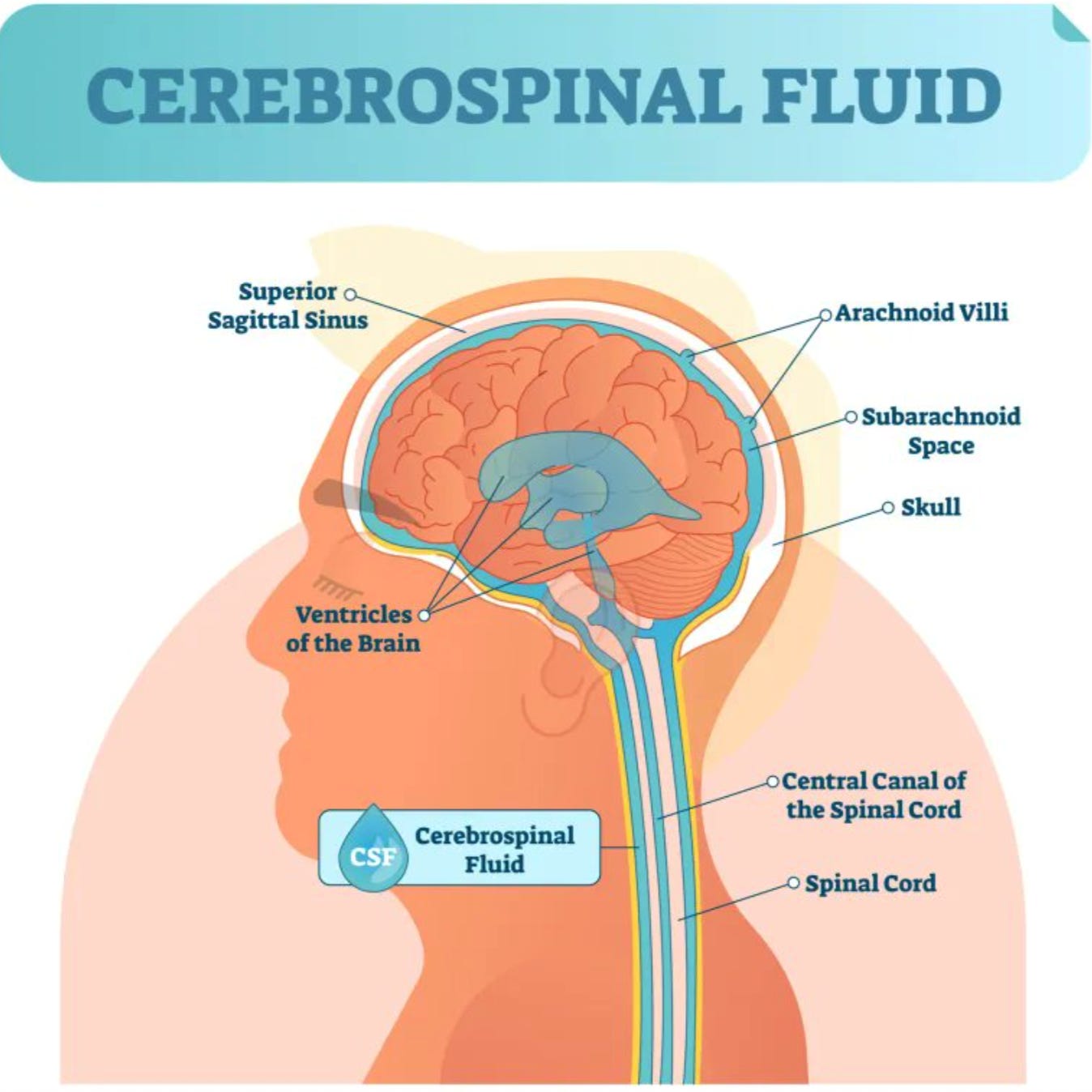
Your body already has a waste-clearance system. Your brain has one too. The difference is that the brain’s version has no pump — and no pump means it only moves under very specific conditions.
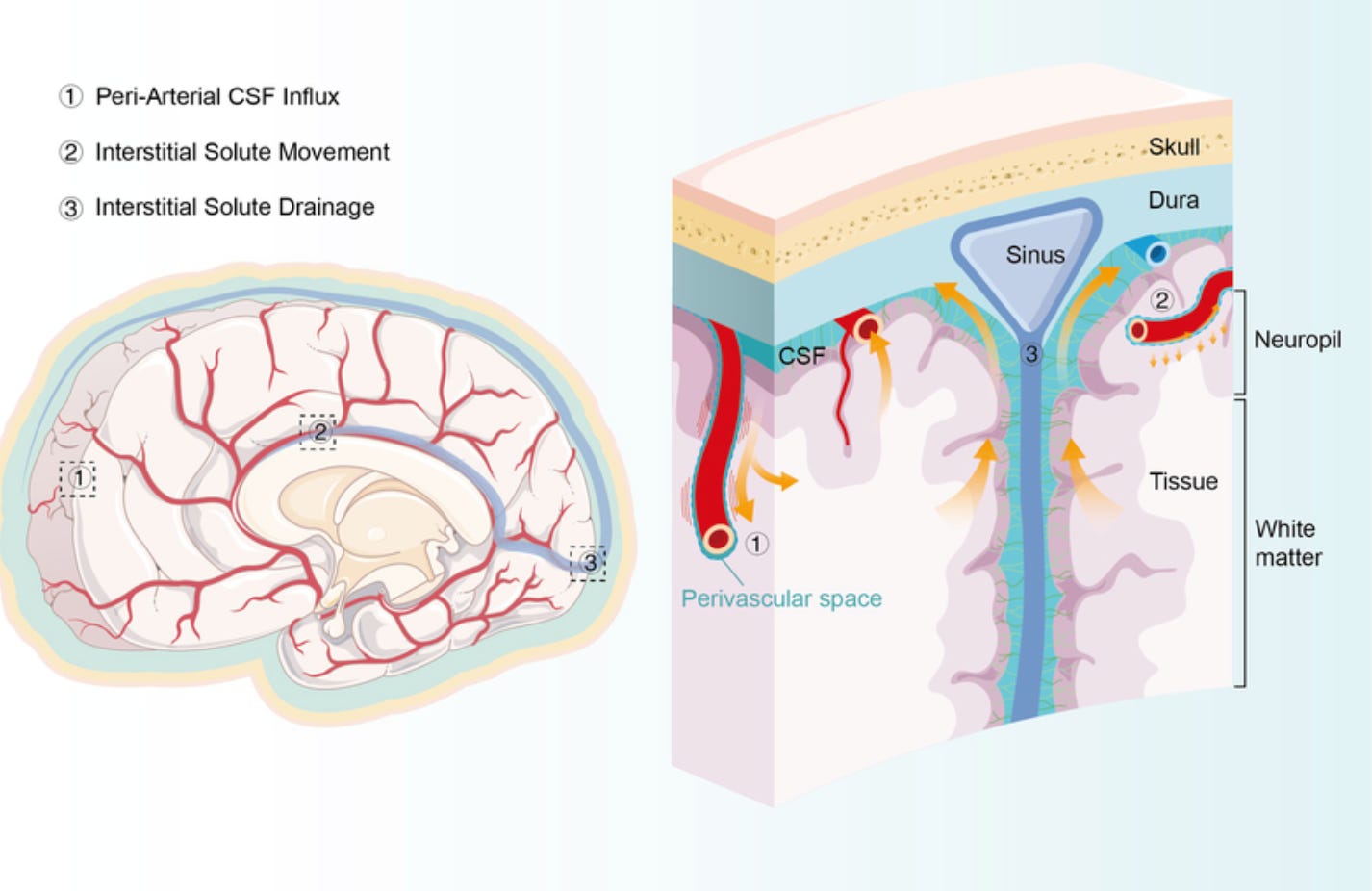
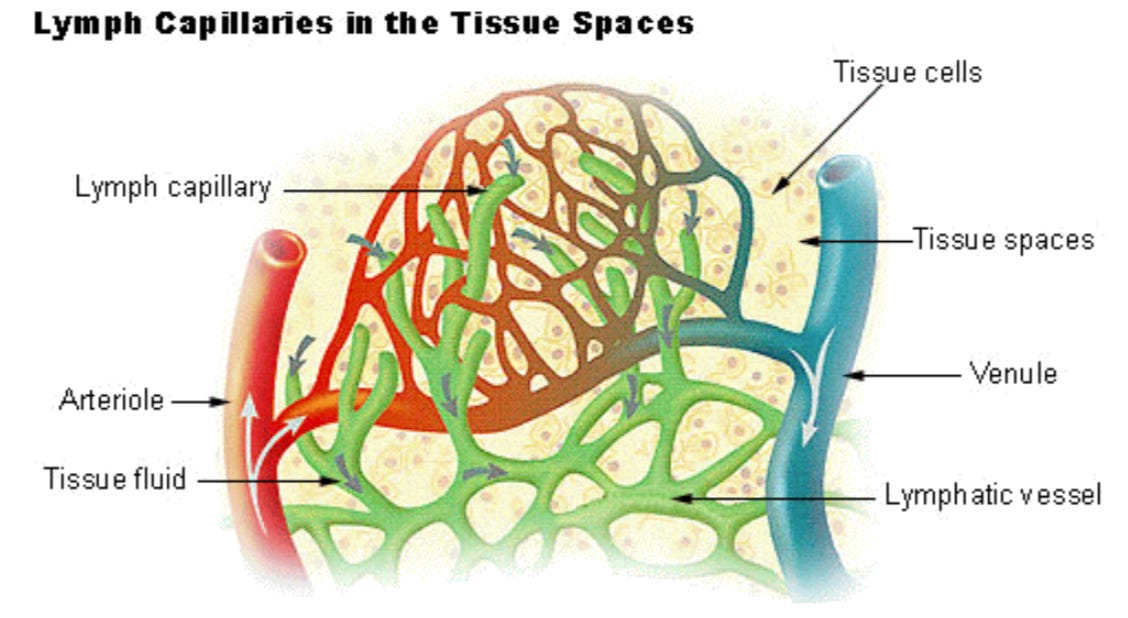
Your body’s lymphatic system collects metabolic waste from tissues — toxins, cellular byproducts, inflammatory debris — and routes it to lymph nodes where immune cells neutralise it. The lymphatic system has no dedicated pump. It relies on muscle movement, breathing, and body position to keep fluid moving. Leave it stagnant and waste backs up. Your brain faces the identical challenge. The glymphatic system — your brain’s version of lymphatic drainage — uses cerebrospinal fluid (CSF) flowing through channels surrounding blood vessels to collect waste and route it out through the meninges to the lymph nodes in the neck. CSF is produced continuously from blood. But its movement through brain tissue — and therefore the efficiency of waste removal — requires specific conditions. Without them, the fluid stagnates. The waste stays. And the four-stage cascade begins.
Insufficient glymphatic activation conditions → CSF flow stagnates → waste accumulates in brain tissue → cascade begins → fog, fatigue, depression compound → cleaning system fails further.
Every day your brain produces waste. Every night it tries to clean it out. The question your body is asking every night from 10pm onward is simple: are the conditions right for me to do this? And most parents — without knowing — are answering no
.
→ 4. Alzheimer’s research is now pointing directly at the glymphatic system
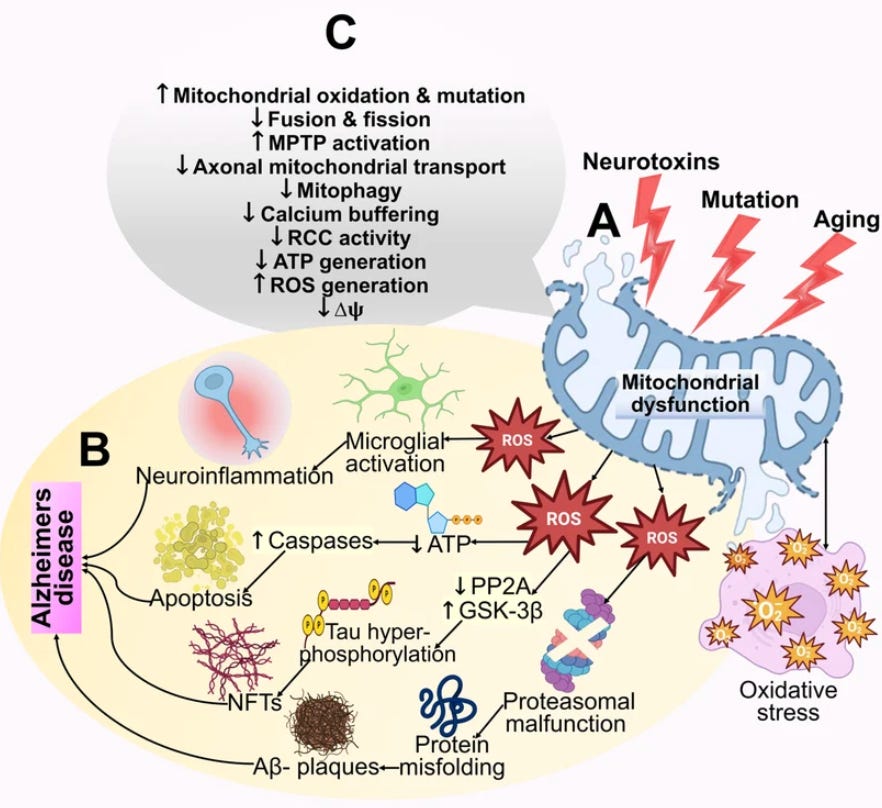
The amyloid plaques that define Alzheimer’s brains are exactly the type of waste the glymphatic system is designed to clear. When it fails to clear them — they accumulate. Decade by decade.
Multiple animal studies have confirmed that improving glymphatic drainage reduces amyloid accumulation in Alzheimer’s models. A randomised pilot study published in Neurology assessed low-flow CSF drainage as a treatment for probable Alzheimer’s disease. Patients in the treatment group showed trends toward improved cognitive scores while control patients declined. Ventricular CSF concentrations of Alzheimer’s biomarkers — MAP-tau and amyloid-beta — decreased in the treatment group. The implication for lifestyle: if mechanically draining CSF improves Alzheimer’s outcomes, then optimising the natural conditions for glymphatic clearance — sleep depth, cortisol reduction, body position — is the accessible version of the same mechanism. You cannot prevent all of what your brain accumulates. But you can optimise whether your brain successfully clears it every night.
Optimised glymphatic clearance → amyloid-beta removed nightly → reduced accumulation over decades → lower Alzheimer’s risk → clearer cognition and better mood as immediate daily benefit.
You’re in your 30s or 40s. The damage from incomplete brain cleaning doesn’t announce itself. It accumulates silently — across every night the cleaning cycle didn’t complete — for decades before any symptom appears. What you do at 9pm tonight is part of a pattern that compounds for 30 years.

→ The part most people never connect
Your glymphatic system fails because cortisol stays too high.
Cortisol stays too high because of specific daily patterns — what you eat, when you eat, and what your blood markers are actually showing.
The belly fat that won’t shift. The sleep that won’t restore. The fog that won’t lift.
Same cortisol problem. Three different places.
We don’t sell programmes. We rebuild bodies — one at a time.
Personalised nutrition built from YOUR blood. Sleep, energy, and gut work. Coached 1-on-1 by Dylan.
If you’re serious about fixing this in 90 days — applications are open. We don’t accept everyone.
→ Apply here: https://tally.so/r/eqLZKe
───────────────────────────
Here’s the exact nightly sequence.
The specific order — food timing, temperature, position, supplement, and breathing — that gives the glymphatic system the five conditions it needs to complete a full cleaning cycle.
Including the one habit most parents do in the 90 minutes before sleep that physically blocks CSF flow through brain tissue.
And the lateral position finding — the single zero-cost change that research shows measurably increases glymphatic clearance efficiency
